
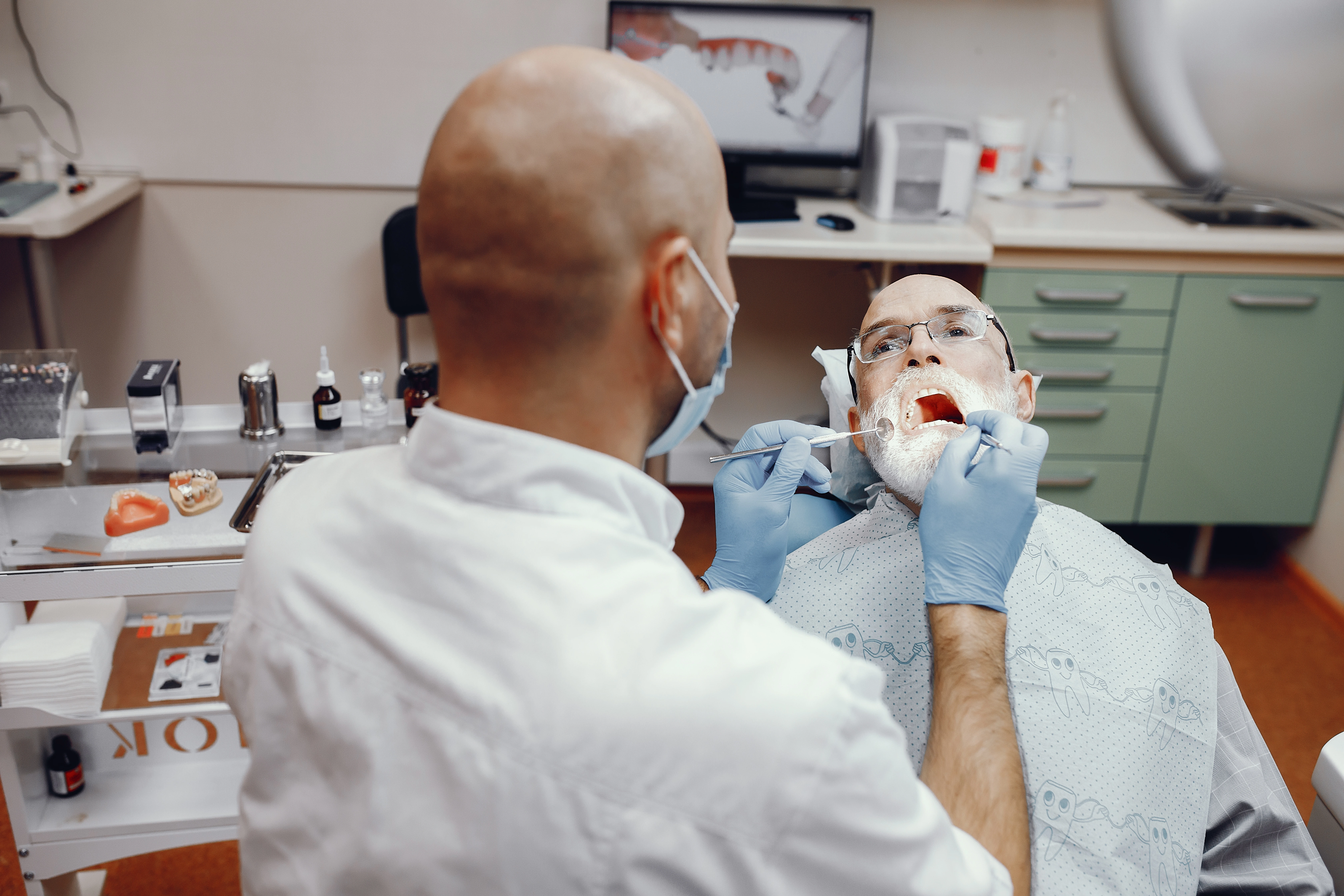
Choosing between removable and non-removable dental implants is a crucial decision that can significantly impact oral health and quality of life.
While both options offer solutions for tooth replacement, they differ in terms of permanence, functionality, and cost.
Understanding the distinctions between these two types of implants is essential for individuals seeking the most suitable treatment option for their dental needs.
In this article, we’ll delve into the key differences between removable and non-removable dental implants, exploring how they work, when they’re needed, and their respective pros and cons.
Table of Contents
Removable vs Non Removable Dental Implants
What are Non Removable Dental Implants?
Non-removable dental implants, also referred to as fixed dental implants, are permanent solutions for replacing missing teeth. These implants consist of:
- Titanium Posts: Surgically implanted into the jawbone, serving as artificial tooth roots.
- Abutments: Connectors that attach the implant to the prosthetic tooth or crown.
- Prosthetic Tooth: Custom-made to match the color, size, and shape of natural teeth, providing a seamless aesthetic appearance.
Non-removable dental implants offer a stable and permanent solution for individuals seeking to restore their smile and oral function.
How Do Non Removable Dental Implants Work?
Non-removable dental implants function by integrating with the jawbone to provide a stable foundation for artificial teeth. The process involves several steps:
- Surgical Placement: Titanium posts are surgically implanted into the jawbone, where they fuse with the surrounding bone through a process called osseointegration.
- Healing Period: After placement, the implants require a healing period of several months to allow for osseointegration to occur.
- Abutment Placement: Once osseointegration is complete, abutments are attached to the implants, which serve as connectors for the prosthetic teeth.
- Prosthetic Attachment: Custom-made prosthetic teeth or crowns are then securely attached to the abutments, providing a permanent and natural-looking replacement for missing teeth.
Non-removable dental implants function and appear like natural teeth, allowing individuals to speak, eat, and smile with confidence.
How to Know if You Need Non Removable Dental Implants
Determining if non-removable dental implants are suitable for you involves consideration of several factors:
- Missing Teeth: If you have one or more missing teeth and desire a permanent solution for tooth replacement.
- Bone Health: Sufficient bone density in the jaw is necessary to support the implants. A bone graft may be required if there is insufficient bone.
- Gum Health: Healthy gums are essential for successful implant placement and long-term stability.
- Oral Health: Individuals with good oral hygiene habits and overall dental health are typically good candidates for non-removable implants.
- Desire for Stability: If you prefer a fixed and stable solution for tooth replacement that closely resembles natural teeth.
Consultation with a qualified dentist or oral surgeon can help determine if non-removable dental implants are the right choice for addressing your specific dental needs and goals.
What is a Removable Dental Implant?
A removable dental implant, also known as an implant-supported overdenture, offers a flexible alternative to traditional dentures. Here’s an overview:
- Implant Retention: Unlike traditional dentures, which rely solely on suction or adhesives, removable dental implants are anchored to the jawbone using dental implants.
- Snap-In Mechanism: The prosthetic teeth attach to the implants through a snap-in mechanism, providing stability and preventing slippage while speaking or eating.
- Ease of Cleaning: Removable dental implants can be easily removed for cleaning, allowing for thorough oral hygiene maintenance and preventing plaque buildup around the implants.
Removable dental implants offer improved stability and functionality compared to traditional dentures.
How do Removable Dental Implants Work?
Removable dental implants function by utilizing dental implants as anchors for securing a removable overdenture. Here’s how they work:
- Implant Placement: Titanium implants are surgically placed into the jawbone, typically two to four implants per arch.
- Attachment Mechanism: The overdenture is customized with special attachments that snap onto the implants, providing stability and retention.
- Secure Fit: The snap-in mechanism ensures a secure fit of the overdenture, minimizing movement and slippage during speaking or chewing.
- Removability: Despite being securely attached to the implants, the overdenture can be easily removed for cleaning and maintenance.
Removable dental implants offer improved stability and comfort compared to traditional dentures, providing patients with a functional and natural-looking tooth replacement option.
How to Know if You Need a Removable Dental Implant
Determining if a removable dental implant is the right choice for you involves considering several factors:
- Multiple Missing Teeth: If you have several missing teeth in one or both dental arches.
- Desire for Stability: If you seek a more stable and secure alternative to traditional removable dentures.
- Bone Health: Adequate bone density in the jaw is necessary to support the dental implants.
- Gum Health: Healthy gums are essential for successful implant placement and long-term stability.
- Preferable for Maintenance: If you prefer a tooth replacement option that allows for easy removal for cleaning and maintenance.
Consultation with a qualified dentist or oral surgeon can help assess your specific dental needs and determine if a removable dental implant is the appropriate solution for you.
Difference between Removable Dental Implant and Non Removable Dental Implants
When considering dental implants, understanding the differences between removable and non-removable options is crucial. Here’s a comparison:
Non-Removable Dental Implants:
- Fixed Restoration: Non-removable dental implants involve permanently attaching prosthetic teeth to the implants.
- Greater Stability: Because the prosthetic teeth are fixed in place, non-removable implants offer superior stability and chewing efficiency.
- Natural Feel: The fixed restoration closely mimics the feel and function of natural teeth, providing a seamless smile.
Removable Dental Implants:
- Overdenture Design: Removable dental implants utilize an overdenture that snaps onto implants, providing stability while remaining removable.
- Ease of Maintenance: Removable implants offer the convenience of easy removal for cleaning, promoting good oral hygiene.
- Flexibility: The removable nature of overdentures allows for adjustments and repairs if needed, offering flexibility in treatment.
Understanding these differences can help individuals make an informed decision based on their specific dental needs and preferences.
| Aspect | Removable Dental Implants | Non-Removable Dental Implants |
| Restoration Type | Overdenture that snaps onto implants | Prosthetic teeth permanently fixed to implants |
| Stability | Offers stability, but less than non-removable | Provides superior stability due to fixed restoration |
| Maintenance | Easy removal for cleaning and maintenance | Requires standard oral hygiene, no removal necessary |
| Flexibility | Allows for adjustments and repairs if needed | Fixed restoration does not allow for adjustments |
| Chewing Efficiency | Provides adequate chewing efficiency | Offers superior chewing efficiency |
| Feel and Functionality | May not feel as natural as non-removable | Mimics the feel and function of natural teeth |
Average Price of Regular Dental Implant in Kendall Miami
In Kendall, Miami, the average price of a regular dental implant typically ranges from $1,500 to $3,000 per implant.
However, it’s essential to note that this cost may not include additional expenses such as consultations, diagnostic tests, and any necessary pre-surgery treatments.
Factors influencing the price of dental implants include:
- Number of Implants: The total cost increases with the number of implants needed to restore missing teeth.
- Materials: High-quality materials, such as titanium implants and porcelain crowns, may incur higher costs.
- Additional Procedures: If bone grafting or other supplementary procedures are necessary to prepare the jawbone for implant placement, it can contribute to the overall expense.
The cost of dental implants can vary depending on several factors, including the location, the complexity of the procedure, and the materials used.
Average Price of Removable Dental Implant in Kendall Miami
In Kendall, Miami, the average price of removable dental implants typically ranges from $2,500 to $4,500 per arch. However, this cost may vary depending on individual treatment needs and preferences.
Factors influencing the price of removable dental implants include:
- Number of Implants: The total cost increases with the number of implants needed to support the removable denture.
- Type of Denture: Different types of removable dentures, such as snap-on or bar-retained dentures, may have varying costs.
- Materials: High-quality materials for both the implants and the denture can affect the overall price.
Patients considering removable dental implants should consult with their dentist to obtain a personalized treatment plan and a detailed breakdown of associated costs.
Pros and Cons of Removable Dental Implant vs Non Removable Dental Implants
When considering dental implants, it’s essential to weigh the advantages and disadvantages of both removable and non-removable options. Here’s a comparison:
Removable Dental Implants:
Pros:
- Cost-Effective: Removable dental implants tend to be more budget-friendly compared to non-removable options.
- Easy Maintenance: Removable dentures can be taken out for cleaning, making oral hygiene routines more manageable.
- Adjustability: These implants allow for adjustments or repairs without invasive procedures.
Cons:
- Less Stability: Removable dentures may not offer the same level of stability as non-removable implants.
- Potential for Discomfort: Some patients may experience discomfort or irritation due to movement of the denture.
Non-Removable Dental Implants:
Pros:
- Superior Stability: Non-removable implants provide a more secure and stable fit, mimicking the feel of natural teeth.
- Enhanced Functionality: Patients can enjoy a broader range of foods without worrying about denture movement.
- Long-Term Solution: Non-removable implants are designed to last for many years with proper care.
Cons:
- Higher Cost: Non-removable dental implants typically come with a higher upfront cost compared to removable options.
- Surgical Procedure: The placement of non-removable implants involves a surgical procedure, which may require a longer recovery time.
Ultimately, the choice between removable and non-removable dental implants depends on individual preferences, budget, and oral health needs.
| Aspect | Removable Dental Implants | Non-Removable Dental Implants |
| Pros | ||
| Cost | Lower initial cost | Higher initial cost |
| Maintenance | Can be removed for cleaning | Fixed in place, easier to clean |
| Adjustability | Can be adjusted or repaired easily | Fixed structure, no adjustments needed |
| Stability | Less stable, may move or shift | Provides stability like natural teeth |
| Functionality | Limited functionality for eating | Allows for broader food choices |
| Longevity | May need replacement over time | Designed for long-term use |
| Cons | ||
| Stability | May move or shift during use | Provides stability like natural teeth |
| Discomfort | May cause irritation or discomfort | Generally comfortable once healed |
| Cost | Lower initial cost | Higher initial cost |
| Procedure | Non-invasive procedure | Involves surgical placement |
Do I Need Removable Dental Implant or Non Removable Dental Implants
Determining whether you need removable or non-removable dental implants depends on various factors, including your specific dental needs and lifestyle preferences. Here are some considerations to help you decide:
Non-Removable Dental Implants:
- Ideal for: Those seeking a permanent solution.
- Advantages: Provides stability similar to natural teeth, requires no removal for cleaning, and offers long-term functionality.
- Considerations: Higher initial cost, surgical procedure required for placement, and limited adjustability.
Removable Dental Implants:
- Ideal for: Individuals looking for a more affordable option or those with specific dental conditions.
- Advantages: Lower initial cost, easy removal for cleaning or adjustments, and less invasive procedure.
- Considerations: Less stable compared to non-removable implants, may require more maintenance, and limited functionality for eating certain foods.
Ultimately, discussing your options with a dental professional will help determine the best choice based on your individual needs and preferences.
| Aspect | Removable Dental Implants | Non-Removable Dental Implants |
| Ideal for | Individuals seeking affordability, specific needs | Those seeking a permanent solution |
| Advantages | Lower initial cost, easy removal for cleaning | Stability similar to natural teeth, no removal for cleaning, long-term functionality |
| Considerations | Less stable, may require more maintenance | Higher initial cost, surgical placement required, limited adjustability |
Key Takeaways: Removable Dental Implant vs Non-Removable Dental Implants
- Assess Your Needs: Determine whether you prioritize affordability and flexibility (removable) or long-term stability (non-removable).
- Consultation is Key: Discuss your options with a dental professional to understand which type best suits your oral health and lifestyle.
- Consider Long-Term Impact: While removable implants offer flexibility, non-removable options provide durability and stability akin to natural teeth.
These insights can guide you in making an informed decision tailored to your specific dental needs and preferences. For personalized advice, consult our experts at Artistics Smiles.
Conclusion: Removable Dental Implant vs Non-Removable Dental Implants
In conclusion, the choice between removable and non-removable dental implants ultimately depends on individual preferences, oral health needs, and lifestyle considerations.
Removable implants offer flexibility and ease of maintenance, suitable for some patients. Conversely, non-removable implants provide long-term stability and functionality akin to natural teeth.
Consulting with a dental professional is crucial to determine the best option for achieving optimal oral health and restoring your smile. For personalized guidance, visit Artistics Smiles today.
FAQs: Removable Dental Implant vs Non-Removable Dental Implants
What is the Disadvantage of Removable Denture?
The disadvantage of removable dentures lies in their potential to shift or cause discomfort while eating or speaking. Additionally, they require regular removal for cleaning, which can be inconvenient for some individuals, impacting their daily routine and quality of life.
What is the Difference Between Permanent and Removable Implants?
The primary difference between permanent and removable implants is their attachment to the jawbone. Permanent implants integrate with the bone for stability, while removable implants are designed to be taken out for cleaning or maintenance.
Which option lasts longer: removable or non-removable dental implants?
Non-removable dental implants generally last longer due to their fixed nature and stable integration with the jawbone, often lasting 15+ years with proper care.
Are removable dental implants easier to maintain than non-removable ones?
Yes, removable implants can be taken out for thorough cleaning, making daily maintenance more straightforward for some patients compared to fixed implants.
Can I switch from removable to non-removable dental implants in the future?
In many cases, it’s possible to transition from removable to non-removable implants, but it depends on bone density and overall oral health. A dental evaluation is required.
Is the surgery for non-removable implants more painful than for removable ones?
Non-removable implants typically involve a more invasive surgical procedure, but most patients report only mild discomfort managed well with local anesthesia and post-op care.