
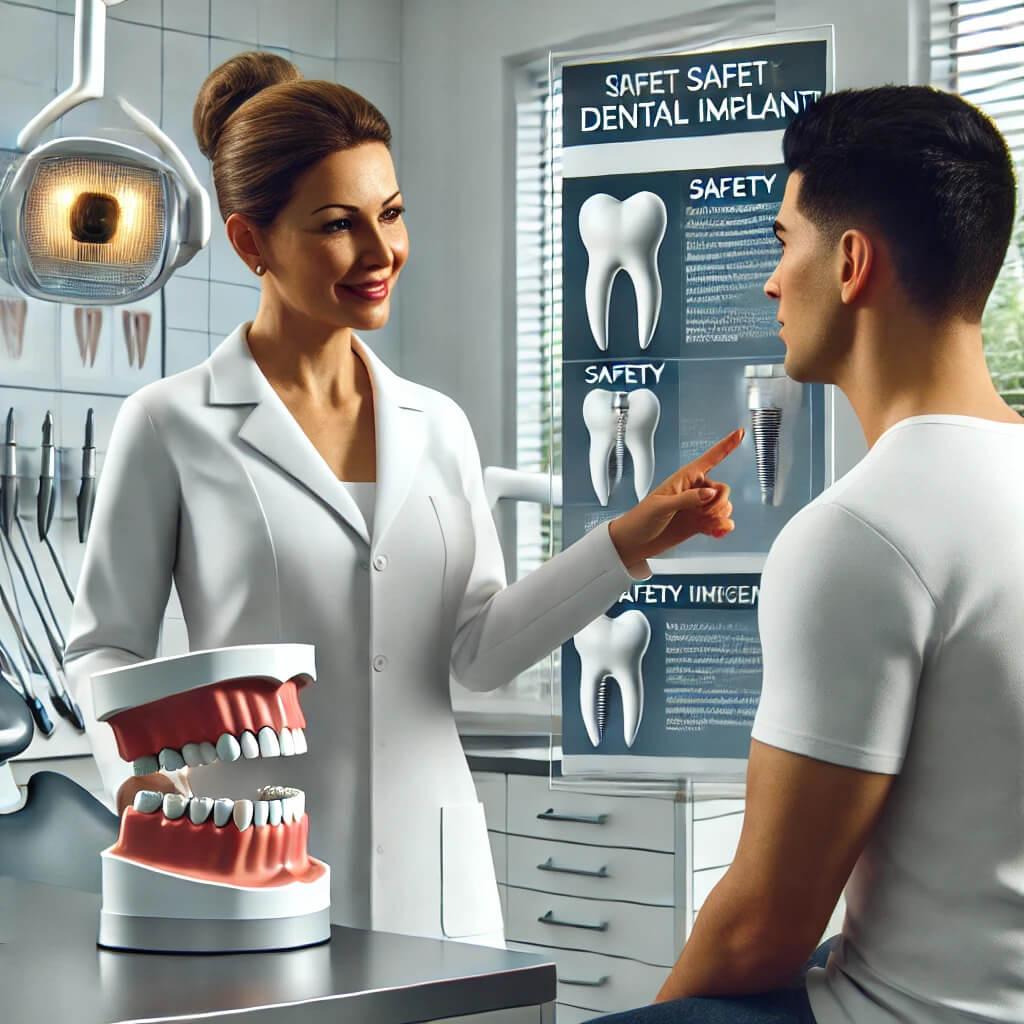
Are you concerned about the safety of dental implants? This is a significant issue many individuals face when considering this dental procedure.
In this article, we will investigate the safety of dental implants, the potential risks and complications associated with the procedure, and the importance of thorough consultation and proper aftercare.
By the end of this article, you will have a comprehensive understanding of the safety aspects of dental implants, the benefits they offer, and the measures necessary to ensure a successful and safe implant experience.
Table of Contents
Dental Implants Safe Or Not
Are Dental Implants Safe for Health?
Dental implants have become a popular solution for replacing missing teeth, but their safety remains a topic of concern for many.
Dental implants are generally considered safe when performed by a qualified professional.
The procedure involves placing a titanium post into the jawbone, which acts as an artificial root for a replacement tooth.
Studies have shown that dental implants have a high success rate, often exceeding 95%, indicating their reliability and safety.
However, as with any surgical procedure, there are potential risks:
- Infection at the implant site
- Injury to surrounding structures such as other teeth or blood vessels
- Nerve damage, which can cause pain or numbness
- Sinus problems when implants placed in the upper jaw protrude into one of the sinus cavities.
Consultation or 2nd opinion
- Cannot be combined with other coupons or promotions
- Only on full priced items
To minimize these risks, it is crucial to choose an experienced dental professional and follow all pre- and post-operative care instructions meticulously.
The long-term health implications of dental implants are also positive:
- They help preserve the jawbone
- Prevent the shifting of adjacent teeth
- Improve overall oral health by providing a stable foundation for artificial teeth
Patients who maintain good oral hygiene and attend regular dental check-ups typically experience long-lasting benefits from their implants.
Recommended Reading: What are the 3 Stages Of Dental Implants
Dental Implants Safety for Health
Dental implants are widely regarded as a safe and effective solution for tooth replacement, but understanding the details of their safety is crucial for prospective patients.
Dental implants involve a surgical procedure where titanium posts are inserted into the jawbone to serve as artificial roots for replacement teeth.
Titanium, the material most commonly used, is biocompatible and has a high success rate in osseointegration, where the implant fuses with the bone.
To ensure the safety of dental implants, several factors must be considered:
- Patient Health: Overall health is a significant determinant in the success of dental implants. Patients with uncontrolled diabetes, cancer, or those undergoing radiation therapy may face higher risks.
- Surgical Procedure: The expertise of the dental professional performing the surgery greatly influences the outcome.
Proper technique and sterilization are critical to avoid infections and complications. - Post-Surgery Care: Following post-operative care instructions, including oral hygiene practices and avoiding certain foods, is essential to prevent infections and ensure proper healing.
Full check-up with a full set of X-rays
- Cannot be combined with other coupons or promotions
- Only on full priced items
The safety of dental implants also depends on long-term maintenance:
- Regular Check-ups: Regular dental visits are necessary to monitor the condition of the implants and surrounding tissues.
- Good Oral Hygiene: Daily brushing and flossing help prevent peri-implantitis, a condition similar to gum disease that can affect the implant.
- Lifestyle Factors: Avoiding smoking and excessive alcohol consumption can significantly reduce the risk of implant failure.
Overall, when performed by skilled professionals and followed by diligent care, dental implants are a safe option for most individuals seeking tooth replacement.
Recommended Reading: Signs of Infection After Wisdom Teeth Removal
Dental Implants and Health Issues
| Health Issue | Description | Symptoms | Prevention/Management |
| Infection | Occurs if bacteria enter the surgical site. | Pain, swelling, pus discharge. | Follow post-operative care instructions meticulously, maintain good oral hygiene. |
| Nerve Damage | Caused by the implant being placed too close to a nerve. | Numbness, tingling, pain in lips, gums, or chin. | Proper surgical planning, use of advanced imaging techniques, and consultation with experienced professionals. |
| Sinus Problems | Risk of implant penetrating the sinus cavity in the upper jaw. | Sinus infections, sinus pain or pressure. | Thorough pre-surgical assessment, careful placement of implants, use of shorter implants if necessary. |
| Bone Loss | If the implant does not integrate properly with the bone or due to ongoing infection. | Decreased bone density around the implant site, implant loosening. | Regular dental check-ups, addressing infections promptly, ensure proper integration. |
| Allergic Reactions | Rare, but possible reactions to the materials used in implants (e.g., titanium, zirconium). | Allergic symptoms vary (rash, itching, swelling). | Use hypoallergenic materials, conduct allergy tests prior to the procedure if known sensitivities exist. |
Recommended Reading: Tooth Extraction Without Anesthesia
Myths and Facts of Health Problems with Dental Implants
| Myth | Fact |
| Dental implants always cause infections. | Infections are relatively rare when the procedure is performed by a skilled professional and proper post-operative care is followed. |
| Dental implants are prone to failing after a few years. | When properly placed and maintained, dental implants have a high success rate and can last many years or even a lifetime with good oral hygiene. |
| Dental implants can cause general health issues. | There is no scientific evidence to support claims that dental implants cause autoimmune diseases or systemic infections. |
| Dental implants are made from unsafe materials. | Dental implants are made from biocompatible materials like titanium or zirconium, which are designed to integrate safely with the body’s tissues. |
| All dental implants will eventually loosen. | Proper placement and maintenance can ensure dental implants remain secure and stable for a very long time. |
| Dental implants are not suitable for older adults. | Age is not a contraindication for dental implants. Many older adults successfully receive and benefit from implants with proper assessment and care. |
Recommended Reading: Tooth Extraction Without Anesthesia
Key Takeaways: Are Dental Implants Safe or Not?
- Dental implants are generally safe: When performed by experienced professionals, dental implants have high success rates and are made from biocompatible materials like titanium or zirconium.
- Potential risks are manageable: Common issues include infection and implant failure, but these risks can be minimized with good oral hygiene and regular check-ups.
- Misconceptions about safety: Many myths about severe health problems with implants are unfounded, supported by extensive scientific research.
For more information on the safety and effectiveness of dental implants, and to discuss your specific needs, consult with experts at Artistics Smiles.
Full check-up, professional cleaning and a full set of X-rays
- Cannot be combined with other coupons or promotions
- Only on full priced items
Conclusion: Are Dental Implants Safe for Health?
Dental implants are generally safe for health, as they are made from biocompatible materials like titanium or zirconium.
The risks of serious complications are low when proper care and hygiene are observed. While minor issues such as infection can occur, they are manageable with appropriate treatment.
If you’re in need of Dental Implants in Miami, consider visiting us at Artistic Smiles Miami Dentist. We´ve +25 years of experience, +60 positive reviews and over 30,000 satisfied patients.
Contact Us! We’ll be in touch with you in less than 10 minutes.
FAQs: Is Dental Implants Safe for Health
What is a negative about dental implants?
A notable negative of dental implants includes the risk of complications such as infection, implant failure, or rejection. While rare, these issues can occur in about 5% of cases and may require additional procedures or treatments.
Are dental implants worth the risk?
Yes, dental implants are generally considered worth the risk for many people. Despite potential complications, they offer a high success rate of around 95% and significant benefits, including improved function, appearance, and durability compared to alternatives like dentures.