
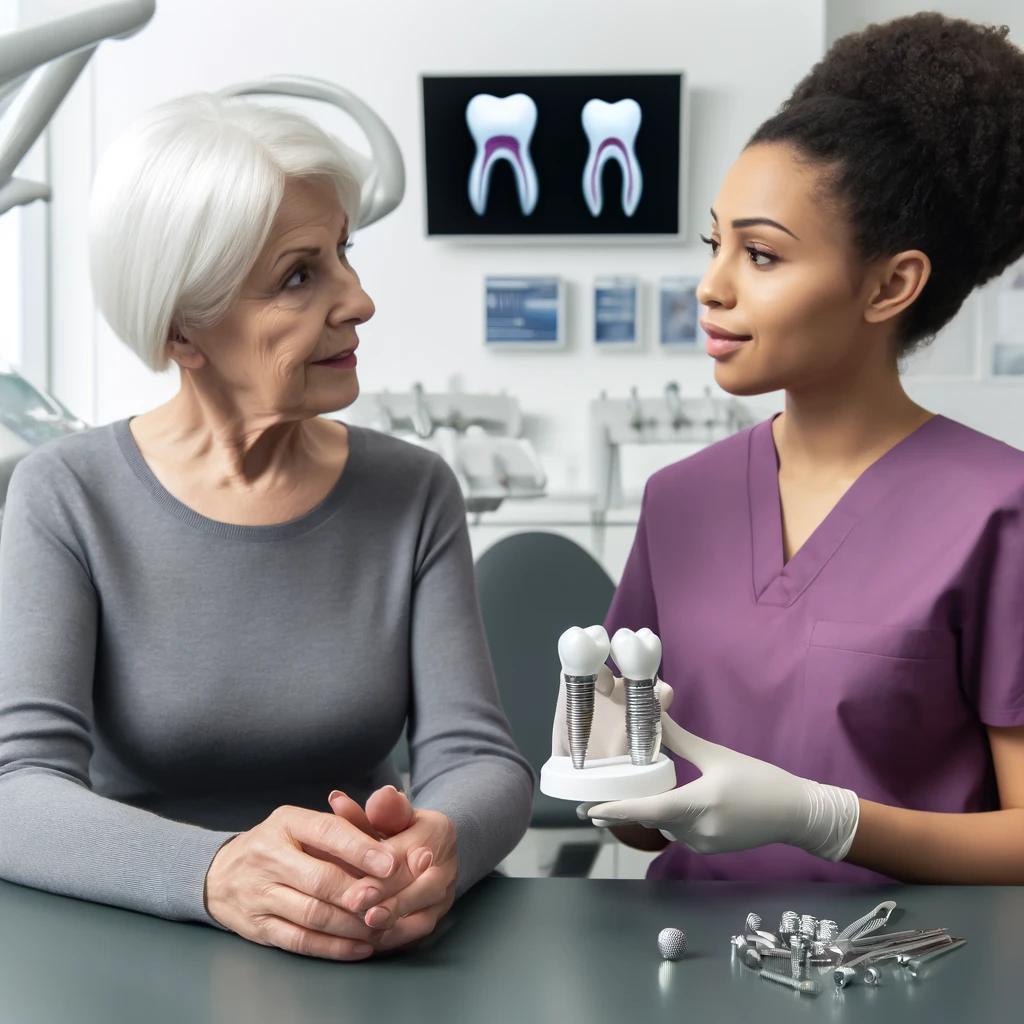
Wondering if it’s ever too late to consider dental implants? It’s a question that many individuals may have as they navigate their dental health journey.
In this article, we’ll explore the factors that determine when it may be too late to get dental implants in Miami.
By the end of this discussion, you’ll have a better understanding of the factors that influence the timing of dental implant placement.
Table of Contents
When is it Too Late to Get Dental Implants
When is it Too Late for a Dental Implant
Determining the optimal timing for dental implant placement requires careful consideration of various factors. Here are key points to consider:
- Bone Health: Insufficient bone density due to prolonged tooth loss or other factors may make it challenging for successful implant integration.
- Gum Health: Periodontal disease can compromise the stability of dental implants and increase the risk of implant failure.
- Overall Health: Certain medical conditions or medications may impact healing and increase the risk of complications associated with dental implant surgery.
Recommended Reading: What are the 3 Stages Of Dental Implants
While there’s no strict age limit for dental implants, addressing these factors promptly can improve the chances of successful implant placement.
| Factor | Considerations |
| Bone Health | – Insufficient bone density due to prolonged tooth loss or other factors may make it challenging for successful implant integration. |
| Gum Health | – Periodontal disease can compromise the stability of dental implants and increase the risk of implant failure. |
| Overall Health | – Certain medical conditions or medications may impact healing and increase the risk of complications associated with dental implant surgery. |
| Age | – While there’s no strict age limit for dental implants, addressing these factors promptly can improve the chances of successful implant placement. |
Recommended Reading: Are Dental Implants Permanent or Removable
When is Dental Implant Not Possible
Dental implants may not be possible in certain situations, such as inadequate bone volume or density in the jaw.
Other factors, such as uncontrolled gum disease or medical conditions, may also impact implant feasibility. It’s essential to consult with a qualified implant dentist in Miami for personalized evaluation and treatment options.
There are situations where they may not be feasible. Consider the following scenarios:
- Severe Bone Loss: In cases of extensive bone resorption, there may not be enough bone to support the implant, necessitating bone grafting procedures.
- Uncontrolled Gum Disease: Periodontal disease can compromise the stability of dental implants and lead to implant failure if not properly managed.
- Medical Complications: Certain medical conditions, such as uncontrolled diabetes or autoimmune disorders, may increase the risk of complications during implant surgery.
Recommended Reading: What They Don’t Tell You About Dental Implants
In these cases, alternative tooth replacement options, such as dentures or bridges, may be recommended to restore oral function and aesthetics.
Consulting with a qualified dentist is essential to determine the most suitable treatment plan for individual needs.
| Situation | Reason |
| Severe Bone Loss | Insufficient bone density may not provide adequate support for implant placement. |
| Uncontrolled Gum Disease | Periodontal disease can compromise implant stability and increase the risk of failure. |
| Medical Complications | Certain medical conditions may pose risks during implant surgery, requiring careful assessment. |
Key Takeaways: When is it Too Late to Get Dental Implants
Reflecting on the factors discussed, it’s essential to keep the following points in mind regarding the timing of dental implant placement:
- Bone and Gum Health: Adequate bone density and healthy gums are crucial for successful implant integration and long-term stability.
- Overall Health: Managing medical conditions and medications that may impact healing is vital to minimize the risk of complications.
- Timely Intervention: While age is not a strict limitation, addressing bone, gum, and overall health concerns promptly can enhance the likelihood of successful implant placement.
Consulting with experienced dentists, such as those at Artistics Smiles, can provide personalized guidance and treatment plans tailored to individual needs.
Recommended Reading: Are Dental Implants Painful
Conclusions: When is Dental Implant Not Possible
In conclusion, while there isn’t a strict age limit for dental implants, the feasibility of implant placement depends on factors such as bone health, gum health, and overall medical condition.
Severe bone loss, uncontrolled periodontal disease, or certain medical complications may pose challenges for successful implant integration.
If you’re in need of Dental Implants in Miami ,consider visiting us at Artistic Smiles Miami Dentist. We´ve +25 years of experience, +60 positive reviews and over 30,000 satisfied patients.
Contact Us! We’ll be in touch with you in less than 10 minutes.
FAQs When is too late for a Dental Implant
What happens if you wait too long to get a Dental Implant?
Waiting too long for a dental implant can result in further bone loss and shifting of adjacent teeth, making implant placement more challenging. Delay can also lead to compromised oral function and aesthetics, impacting overall quality of life.
Is It Ever Too Late to Get a Dental Implant?
While age isn’t a strict limitation, addressing bone and gum health promptly enhances implant success rates, reducing the risk of complications.
Can you Get Implants if you Have too Much Bone Loss?
Advanced bone loss may require bone grafting procedures to augment bone volume for successful implant placement. However, consultation with a qualified dentist is essential to determine the most suitable treatment approach.